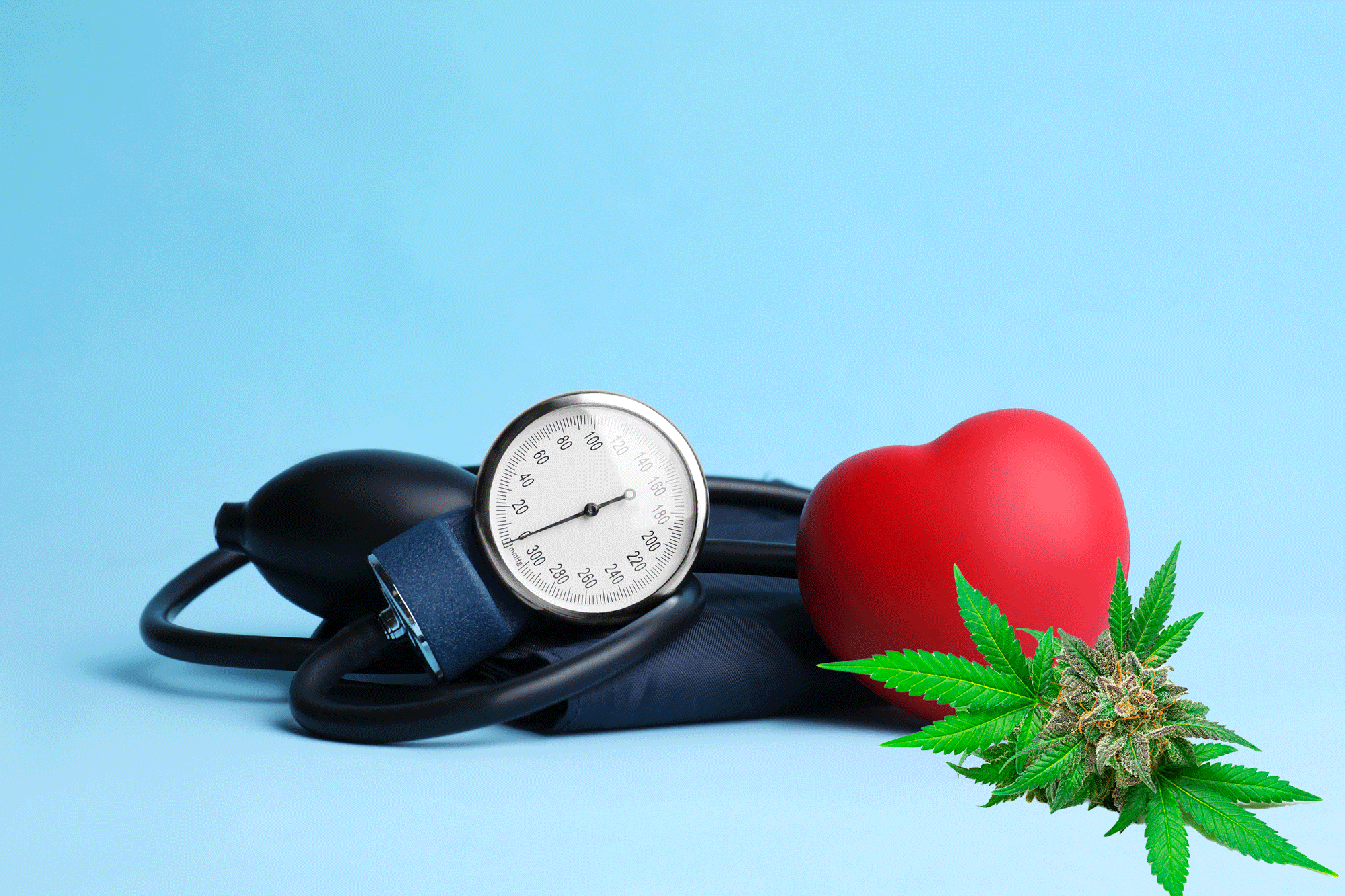
CBD for hypertension: how does cannabidiol affect blood pressure?
CBD
💥 PRE-BLACK FRIDAY: UP TO -40%! 🚀
⭐ +15,000 reviews — 4.8/5
🔥 LIMITED OFFERS · FILL YOUR CART! 🛒
🚀 Free shipping in 48-72 h from €60 🔥
To mark World Heart Day, we bring you this post on CBD and hypertension.
With its potential benefits in the spotlight, in recent years CBD has carved out a space of its own among wellness products. When it comes to using it, one of the questions that may come up when you buy CBD online is its impact on blood pressure and hypertension.
How does CBD affect blood pressure? Can it lower blood pressure? Does it interact with hypertension medicines? If you're interested in the subject, we walk you through the current scientific research on CBD and hypertension and answer all these questions.
Note: Please remember that this is an informative article that is not intended to prevent, diagnose or treat any disease. Its content may complement, but never replace, the diagnosis or treatment of any disease or symptom. Cannactiva products are not medicines and are intended for external use. Consult your doctor before using CBD.
CBD or cannabidiol is a natural compound found in the cannabis plant. Unlike tetrahydrocannabinol (THC), the cannabinoid responsible for the effects of cannabis, CBD is not psychoactive. This compound is being widely researched for its possible health benefits, which include controlling hypertension.
Hypertension occurs when the force exerted by the blood against the artery walls stays too high over time. It is a significant and common health problem: in Spain, up to 75% of people over 60 have high blood pressure readings (1).
Although technically it is not a disease but a cardiovascular risk factor, hypertension (together with other cardiovascular risk factors such as age, obesity, smoking, diabetes…) can progressively damage the inside of the arteries, reducing their diameter and obstructing normal blood flow. In the long term, this can lead to heart problems and strokes.
The causes of hypertension are genetic and environmental: some people are born with a greater predisposition to developing this problem. Diets high in salt, obesity, stress and lack of physical activity are modifiable factors that also influence its development.
It is diagnosed through regular blood pressure measurements. Many cases of hypertension can be controlled with lifestyle changes and, in some cases, medication.
The endocannabinoid system and the circulatory system are interconnected and influence each other in several ways. One example of this is the presence of endocannabinoid receptors in different parts of the cardiovascular system.
CB1 receptors are found in:
CB2 receptors are found in cells of the immune system, interacting with the inflammatory response and immune function in cardiovascular disorders. Some of these cells, such as leucocytes, interact directly with the circulatory system. Activation of CB2 receptors affects the inflammatory response and immune function in the context of cardiovascular disease and other disorders.
In addition, the endocannabinoid system interacts with orphan receptors, ion channels and nuclear receptors, contributing to a wide range of physiological and pathological functions in the cardiovascular system. Its complexity and ubiquity make the endocannabinoid system a key player in various physiological and pathological states (13).
When cannabis with THC is administered on its own, that is, without taking other factors or conditions into account, the effect observed is orthostatic hypotension and reflex tachycardia. Put simply, if you smoke joints you get dizzy because your blood pressure drops. There is a sudden fall in blood pressure as a result of the blood vessels dilating: your blood pressure drops suddenly when you change position, and your heart tries to compensate by beating faster to raise the pressure.
According to all the studies from animal research, the effect of the endocannabinoid system on the cardiovascular system is moderate under normal conditions.
In the absence of disease, the modulation exerted by the endocannabinoid system has small consequences and does not result in constant changes in the circulatory system.
However, this interaction is much more important in disease. In this situation, the endocannabinoid system is regulated very differently. There are in vitro, in vivo and some clinical/epidemiological studies in humans suggesting that the endocannabinoid system is modified as cardiovascular disease develops. Modulating the endocannabinoid system (with natural or synthetic cannabinoids) has therefore been suggested as a therapeutic pathway for various disorders of the cardiovascular system. Where CBD is concerned, the most significant findings are:
The vasodilatory effects of CBD and its influence in lowering blood pressure have been shown in studies in animals and healthy humans. But the crux of the matter is understanding the effect of CBD in people with hypertension (we pointed out at the start that cannabinoids act differently in health and in disease) and whether, in the long term, it can help to lower blood pressure in a sustained way over time.
This line of research is highly important. CBD is a safe drug with few adverse effects. It works through different mechanisms from the other medicines used to control blood pressure. In principle, it would be a good candidate for use in combination with other drugs to achieve greater efficacy.
The results of the first research on CBD in hypertensive patients are now available and give cause for optimism.
A study published this very summer looked at how CBD affects people with untreated hypertension (10). Sixteen volunteers with hypertension took part, receiving cannabidiol (150 mg orally every 8 hours, or a placebo) for 24 hours. Various aspects were measured, such as blood pressure throughout the day and arterial stiffness. The results showed that cannabidiol reduced arterial stiffness and blood pressure readings, especially during sleep.
A larger trial looked at the effect of CBD over a longer period. 70 patients with mild or moderate hypertension who were either untreated or on standard therapy were randomly assigned to receive 5 weeks of oral CBD or a placebo. Some of the patients were untreated, but most were on medication, which they kept taking during the study period. The results showed that CBD reduced mean blood pressure measured over 24 hours, as well as systolic (“the top number”) and diastolic (“the bottom number”) pressure. The effect became more noticeable 2 weeks after starting treatment (11). The results were backed up by a different statistical analysis in a subgroup of these patients, which was published separately (12). In conclusion, chronic administration of CBD reduced blood pressure in patients with both untreated and treated hypertension. The absence of serious adverse events suggests that CBD is safe and well tolerated.
Current research shows promising results on the impact of CBD on hypertension. Although it is still in development, CBD could be a safe and effective option in combination with other treatments.
These results do not mean that CBD lowers blood pressure. Remember that, as mentioned above, CBD affects people without any condition and people with hypertension differently.
The doses used in these clinical trials ranged from 225–300 mg/day during the first 2 weeks to 300–450 mg for the rest of the study. The maximum effect occurred in the 300 mg range, and raising the dose further did not produce a greater effect.
The researchers used a special patented CBD formulation (DehydraTECH–CBD), which uses a particular system to dehydrate the CBD and achieve higher concentrations in the body.
This post aims to clear up questions about CBD and its relationship with hypertension. Although research in this field is still developing, the results so far are promising. However, it is essential to remember that CBD should not be considered a replacement for conventional medical treatment, and that there is currently not enough data to consider it a treatment option.
Note: Please remember that this is an informative article that is not intended to prevent, diagnose or treat any disease or symptom. Its content may complement, but never replace, the diagnosis or treatment of any disease or symptom. Cannactiva products are not medicines and are intended for external use. Consult your doctor for more information and personalised advice on treating hypertension before using CBD.
Taking together the available data on the pharmacology of cannabinoids and their action on the cardiovascular system, as well as the available studies, there is no data to suggest that using CBD in people with hypertension increases cardiovascular risk or makes high blood pressure worse. The patient information leaflet for the CBD-rich cannabis oil-based medicine recently approved in Europe for treating certain epileptic syndromes makes no mention of, or warning about, hypertension or any other cardiovascular condition in its contraindications. In any case, hypertension covers a very wide range of presentations, from mild cases that are controlled with diet to very serious ones. We recommend consulting your doctor before using CBD.
CBD can lower blood pressure through the endocannabinoid system. In basic research studies, this effect appears to be linked to direct interaction with CB1 receptors (2), its anti-inflammatory effect (3) and its action on the nervous system (5,6). The hypotensive effect has also been shown in healthy humans and in patients with hypertension (11,12). However, it still needs to be confirmed in large-scale clinical trials (thousands of patients) before it can be considered just another antihypertensive.
Some older sources suggested a possible interaction between CBD and certain compounds from some of the drug families used to treat hypertension (specifically, beta blockers, calcium channel blockers and angiotensin-converting enzyme inhibitors). However, the summary of product characteristics for the CBD-rich cannabis oil-based medicine makes no mention of any of these drugs in the section on drug interactions. Neither the FDA (United States) prescribing information nor the EMEA (Europe) summary of product characteristics gives any indication that combining CBD with antihypertensive drugs is dangerous. Pharmacovigilance systems are a mechanism that keeps a particularly close watch on drugs that have only been on the market for a short time, seeking to detect problems that are rare or that did not show up in earlier clinical trials. In this respect, there are no reports either of conditions that could be attributed to combining antihypertensives with CBD. So, taken together, the available data indicate that CBD does not interact with the drugs approved for treating hypertension. In any case, if you are taking antihypertensive medicines, we advise you to consult your doctor before using CBD.

The benefits of CBD for the skin, how to apply it (topical use) and which CBD skincare to choose, according to scientific studies.
Read more →
What effects CBD has on the body: what it feels like, how it acts, whether it gets you high, whether it is addictive and how long it lasts. A clear, science-based guide.
Read more →
How CBD supports muscle recovery: pain relief, less inflammation and better rest. Ways to use it (creams and oils) and what the science says.
Read more →
Cannabis has many uses for athletes. From CBD physiotherapy creams to CBD oil and hemp protein, you're sure to find what best suits your needs.
Read more →