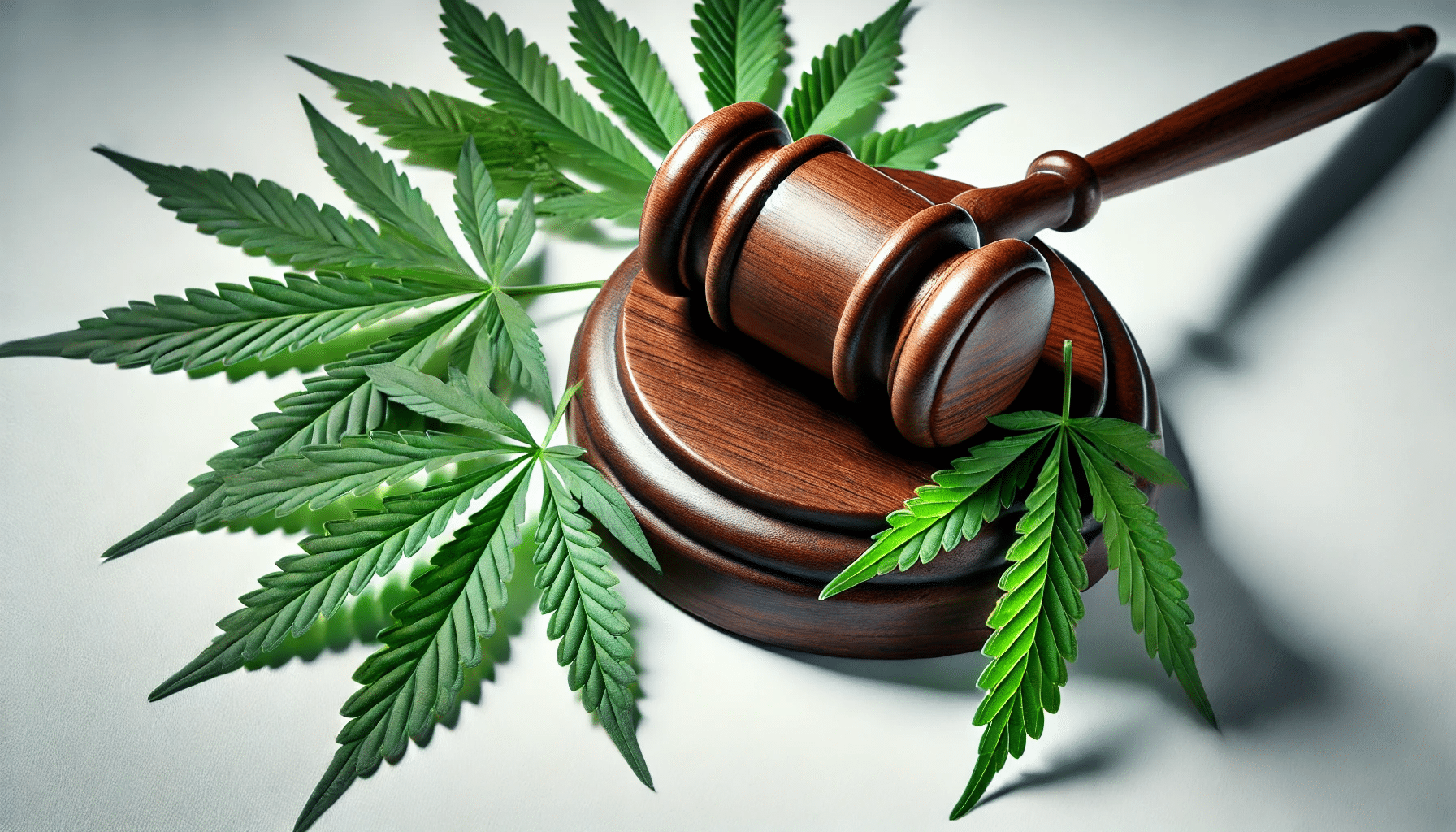
Biden announces the reclassification of cannabis to Schedule III
The United States announces cannabis reclassification: a step towards drug policy reform
On 30 April 2024, US President Joe Biden announced that his administration will reclassify cannabis from Schedule I to Schedule III of controlled substances. The decision aims to end the long-running federal war on cannabis and to correct historical injustices linked to its criminalisation.
Cannabis reclassification: from Schedule I to Schedule III
Cannabis was first banned at federal level in 1937, with the Marihuana Tax Act. According to critics, it was a decision with racist undertones, since at the time cannabis was associated with the jazz scene, African American communities and Mexican immigrants.
In 1970, the Controlled Substances Act officially classified cannabis as a Schedule I drug, the most restrictive category, which includes heroin and LSD: substances considered to have “no medical value” and a high potential for abuse.
The war on drugs of the 1970s hit minorities disproportionately, before the medical cannabis movement gained momentum in the 1990s. In 2012, states began legalising recreational cannabis for adults and, today, cannabis is a multi-billion-dollar industry in the United States. More than half of the states have legalised its medical use, and almost half have legalised recreational use as well, including California and New York.
The classification of substances is under constant debate, especially with the emergence of new synthetic drugs. What seems clear, based on objective scientific data, is that cannabis should not be on the most restrictive list of controlled substances. And that is what this reclassification proposal seeks to put right.
Having cannabis in Schedule I is not only inappropriate, it also makes access to banking services, federal funding for medical cannabis research and interstate commerce more difficult.
With President Biden’s announcement, cannabis will move to Schedule III, a category that includes substances such as ketamine and codeine painkillers, recognised as having an “accepted medical use” and a moderate to low potential for abuse. This reclassification acknowledges the medical potential of cannabis and will reduce restrictions on research and medical use.
The President’s motivations and statements
Biden stressed the importance of this measure in righting past injustices caused by the criminalisation of cannabis. In his statement, he said that “no one should be in jail for using or possessing marijuana”.
The President also pointed out that the current classification of cannabis is more restrictive than that of substances such as fentanyl and methamphetamine, which are responsible for a serious overdose crisis in the United States.
Biden noted that this measure builds on his earlier efforts to pardon people convicted of minor cannabis offences and to remove barriers to housing, employment and small business loans.
The scientific and administrative assessment of cannabis
The Department of Health and Human Services (HHS) and the Department of Justice (DOJ) have reviewed the scientific evidence on the medical use and abuse potential of cannabis, and concluded that reclassification is necessary.
HHS found that cannabis has a “currently accepted medical use” (“CAMU”), which the DEA (Drug Enforcement Administration) can no longer deny. This conclusion is based on a review of several studies that support the use of cannabis to treat conditions such as pain, anorexia, and nausea and vomiting, without posing a high safety risk.
The impact of reclassification
The new Schedule III classification will lower the barriers to scientific research, making it easier for researchers to study the benefits and risks of medical cannabis.
Cannabis businesses will also be able to deduct expenses from their taxes, removing a significant tax burden. This step forward goes hand in hand with the recent push behind the Marijuana Banking Bill, which aims to make banking services easier to access for cannabis businesses in the United States, improving the sector’s ability to operate and grow.
However, the new classification of cannabis does not decriminalise or legalise it at federal level, nor does it make interstate commerce easier. There is still a long way to go to achieve comprehensive cannabis reform.
The reclassification proposal will be published in the Federal Register, opening a 60-day public comment period.
With this change, the Biden-Harris administration takes a significant step towards modernising drug policy and correcting decades of punitive policies that have harmed many communities.
Next steps
The DEA (Drug Enforcement Administration) has now received the recommendation to reclassify cannabis. Once it is published in the Federal Register, a 60-day period opens for public comments.
After reviewing all the available information, the DEA will make a final recommendation on the reclassification of cannabis, in a process that may include a hearing before a judge. The Department of Justice will take the final decision on the new classification of cannabis, based on the DEA’s recommendation and on the scientific evidence and comments received.
If the decision is in favour of reclassification, as all the signs suggest and as is expected, cannabis will officially move to Schedule III.
Looking ahead
This historic reclassification could pave the way for future reforms and increase the pressure on Congress to move towards full legalisation of cannabis in the United States. Let’s hope the news acts as a catalyst for other countries to review and reform their cannabis regulation, support the sector and encourage open debate about the plant. Let’s not forget that cannabis is still heavily criminalised all over the world.