The European Commission clarifies the legal status of hemp leaves as a traditional food in Europe
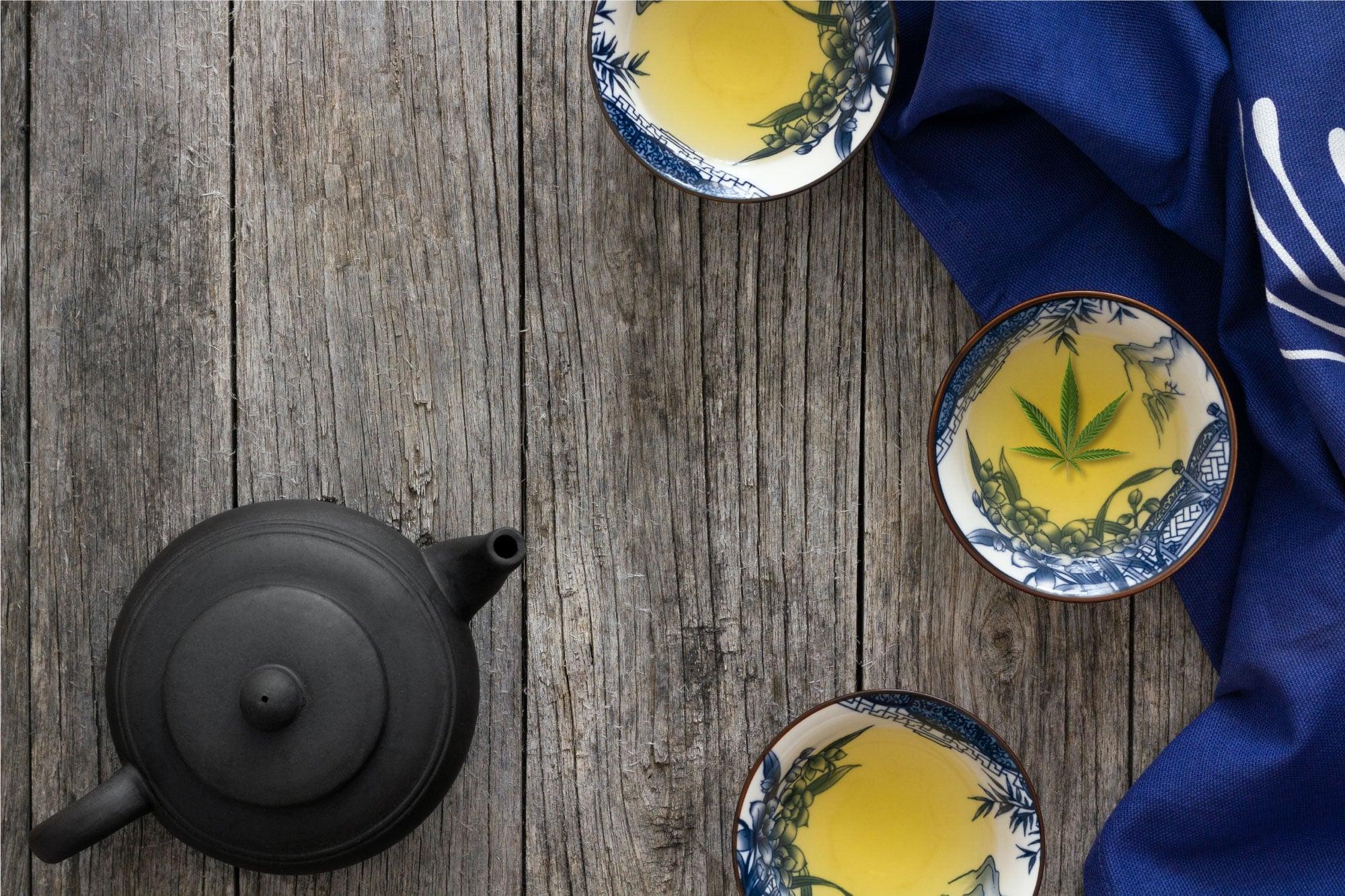
In June 2023 the European Commission clarified that hemp leaves separated from industrial hemp flowers or buds can be considered a traditional food and marketed throughout the EU. This decision marks a milestone for the European cannabis industry, which can now safely market hemp leaves with very little THC for use in infusions. Bear in mind that each country has its own rules: in some, such as the UK, hemp flower is controlled even when its THC is low.
For years, the hemp industry has faced misunderstanding and confusion from some national authorities over the sale of hemp infusions. This has caused significant financial losses and ultimately led many to steer clear of selling hemp teas.
On Friday 2 June 2023, the European Commission officially revised the Novel Food Catalogue to remove hemp leaves from the “novel food” classification, four years after the original decision to classify them as such.
The announcement was issued by a Commission working group, providing a safe legal route for marketing hemp leaf teas and infusions, as well as similar food products, across the member states of the European Union (EU). This has a very positive impact on the sector, which will translate into new and better products for consumers.
This announcement is partly thanks to pressure from the European Industrial Hemp Association (EIHA), which has been campaigning for this clarification at European level.
EIHA works to ensure that the hemp industry is sustainable and benefits both the environment and the economy. The organisation supports the development of sustainable production processes and promotes the use of hemp-based products.
What has changed compared with before?
Previously, hemp leaves were classified as a “novel food”, as there was considered to be no history of their consumption before 1997. This meant that, to be marketed as food (including infusions), they had to obtain approval from the European Food Safety Authority (EFSA). EFSA approval is a complex process that requires gathering and evaluating study after study. People sometimes joke that “these days, not even coffee would pass novel food approval” (the funny thing is that it might be true). In fact, CBD, or cannabidiol, is right in the middle of this legal process, which is why CBD oil for oral use cannot be marketed in the EU.
Since Friday 2 June 2023, hemp leaves have been officially recognised as traditional foods in EU documentation.
The reason for this legal change in how hemp leaves are classified is that EIHA has been able to prove their history of consumption. EU novel food rules set the cut-off at having no history of consumption before 1997.
Now that their consumption has been proven, hemp leaves are considered “traditional foods” and can be legally sold in European Union countries as tea and herbal infusions, without express approval from EFSA.

Ultimately, the European Commission's decision not only brings clarity to the hemp industry but also highlights the importance of scientific and historical evidence in overcoming prejudice and establishing consistent regulations for the food trade, including hemp leaves. We can expect new hemp leaf products to reach the market in the coming years, and you'll probably find some of them at Cannactiva ;) Watch this space – there's more on the way!
Sources
European Industrial Hemp Association (EIHA). Novel Food Catalogue updated to include leaves for herbal infusions as traditional food. Press release. Available at: https://eiha.org/wp-content/uploads/2023/06/PR-hemp-leaves-as-traditional-food-EIHA-eV.pdf (2nd June 2023)