Germany bans HHC and other synthetic cannabinoids
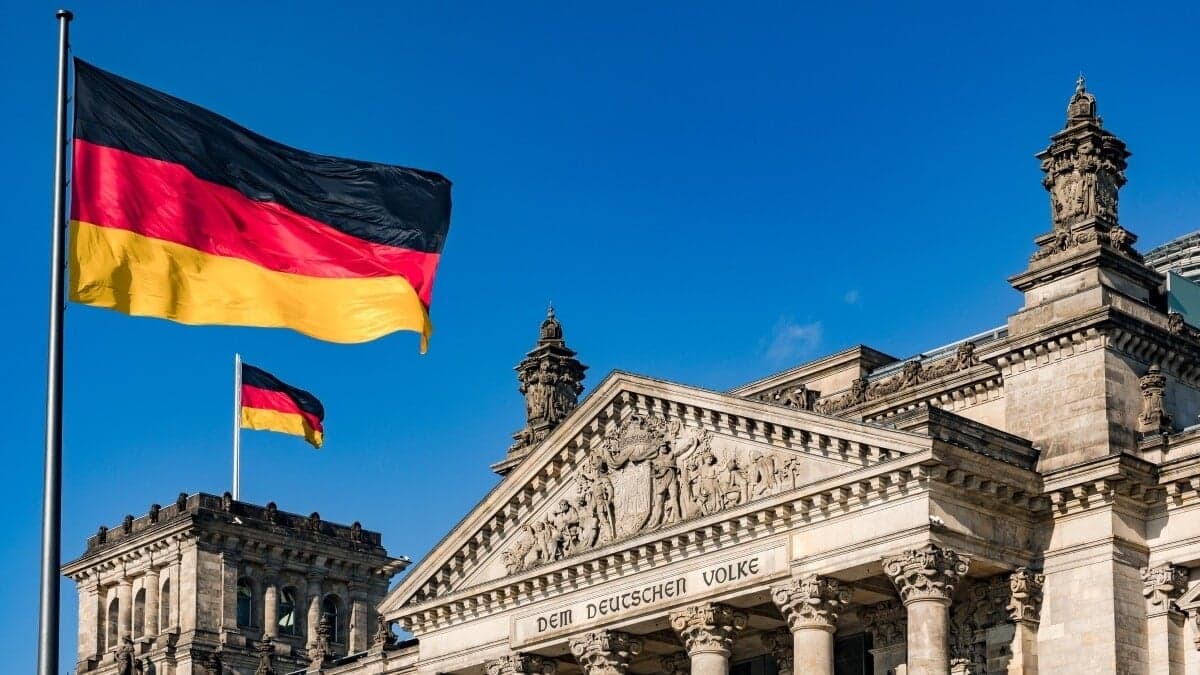
The Bundesrat, Germany's Federal Council, approved a nationwide ban on HHC (hexahydrocannabinol) and other new cannabinoids. With this measure, Germany joins the list of countries that have banned this cannabinoid, along with Italy, France, Estonia, Poland, Sweden, Bulgaria, Switzerland, Belgium and Denmark. The government decree was approved on 14 June 2024, coinciding with the start of Mary Jane, the Berlin cannabis fair, and came into force on 27 June.
HHC ban in Germany
HHC, like other new cannabinoids, is not a regulated product and is therefore not illegal in many countries. Some companies have taken advantage of the existing legal loophole to bring these products to market, mainly selling them on their psychoactive claims. These cannabinoids are synthetic or semi-synthetic substances (depending on whether they are produced 100% artificially or from cannabis extracts put through chemical processes), which act on the body producing effects similar to the THC in cannabis, with the resulting psychoactive effect. Unlike cannabis, these new cannabinoids have an unknown safety profile, with side effects and a possible potential for dependence.
The ban, proposed by the German Ministry of Health, amended the law on psychoactive substances to include HHC and other semi-synthetic cannabinoids. The measure comes in response to the growing availability of these products on the market, which are mainly sold online and in CBD shops in the form of legal hemp flower and CBD hash (sprayed or mixed with synthetic HHC), sprays, gummies, vapes and e-liquids containing this cannabinoid.

Rationale for the measure
The German authorities have argued that synthetic cannabinoids such as HHC and its derivatives pose risks to consumers' health. There is not enough data on the safety of these new substances, which have a high potential for dependence and psychoactive effects.
Synthetic cannabinoid products are marketed as an alternative to cannabis, promoted as an easy way to get psychoactive products. However, unlike cannabis, there is not enough data on their safety and adverse effects.
The measure is also justified by reports of serious adverse effects associated with the use of products containing HHC and other synthetic cannabinoids. In short, the same arguments put forward by other countries that have also banned synthetic cannabinoids.

The HHC ban coincided with Mary Jane, Germany's leading cannabis fair, held on 14, 15 and 16 June 2024 in Berlin. This could affect exhibitors selling these products since, as we saw at Spannabis in Barcelona in March 2024, cannabis fairs no longer showcase only cannabis-related products: there are more and more synthetic cannabinoids such as THCP and HHC, as well as the emerging psychoactive mushroom sector.
And, of course, this news should be seen in context: it comes at a historic moment, when Germany has just legalised recreational cannabis. Since 1 July 2024, the country has had a system of cannabis social clubs (similar to the cannabis clubs in Spain), allowing adults to grow and share cannabis in a regulated setting. Although it is not the first country in the European Union to legalise cannabis, Germany is at the centre of attention on cannabis regulation in Europe.
Impact of the news and outlook
Many European countries have already brought in bans similar to the one Germany is now proposing. Countries such as Italy, France, Estonia, Poland, Sweden, Bulgaria, Switzerland, Belgium and Denmark have already banned HHC and other neocannabinoids. The semi-synthetic cannabinoid industry may well evolve and offer other substances not covered by current legislation, such as CB9 or 10-OH-HHC.
At Cannactiva, we will keep offering top-quality, 100% natural CBD flower and CBD hash, with no synthetic cannabinoids or added terpenes, because we believe perfection can only be achieved by nature:
Frequently asked questions
Why did Germany ban HHC?
Because of the lack of regulation and the safety risks of a poorly studied semi-synthetic cannabinoid. In June 2024, Germany added it, alongside other synthetic cannabinoids, to its list of controlled substances.
Is HHC legal in Spain?
No. HHC has been banned in Spain since April 2025 (Order SND/380/2025). Find out more in what is HHC.
What is the legal alternative to HHC?
CBD, which is legal and well researched (bear in mind that in some countries, such as the UK, hemp flower is controlled even when its THC content is low). We explain the differences between CBD and HHC and between HHC and THC.