This post answers all your questions about using CBD flower or CBD oil and driving. It explains the effects of CBD on your ability to drive, whether you can test positive in a roadside drug test for using CBD, the penalties, and whether it is worth appealing the fine.
What is CBD?
CBD (cannabidiol) is a compound found in the cannabis plant. Unlike THC, CBD is not psychoactive, which means it does not produce a “high”. CBD is often used for pain relief, reducing anxiety and improving sleep. In most European countries, CBD products are legal as long as they contain less than 0.3% THC, although each country has its own rules. Below this THC threshold you find hemp, or CBD cannabis, which is legal because it is not considered a narcotic; even so, in some countries, such as the UK, hemp flower is controlled even with low THC. At this point, we must remind you that, legally, Cannactiva products are not intended for consumption.
Driving and CBD: effects and possible legal implications
Roadside checks: positive drug test for THC
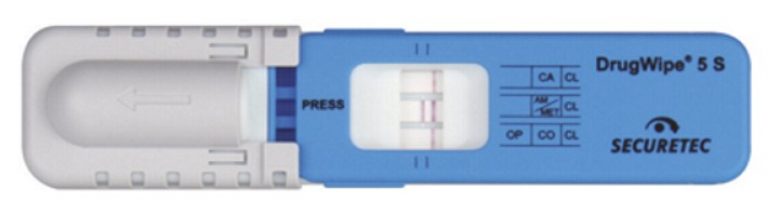
Unlike breath tests for alcohol, which measure the level of alcohol intoxication, drug tests only determine whether drugs are present in the body, not the degree of impairment. This can lead to penalties even if the drug was taken the day before and no longer affects your ability to drive at the time of the check.
In Spain, since the 2014 reform of the Road Safety Act (Ley de Seguridad Vial), driving with drugs in your system has been penalised. The law makes it a very serious offence to drive with drugs in your system, regardless of whether or not it affects your driving at that moment. Penalties can include fines and the loss of points from your driving licence.
How can I appeal a fine for testing positive for THC if I use CBD?
To appeal a penalty, you are always advised to consult a lawyer with experience in this area, who can advise you on your particular case and give you realistic expectations of the process. In Spain, if you test positive for THC in a drug test (the drug tests used by the Dirección General de Tráfico, Spain's traffic authority, are saliva tests), one strategy is to request a blood test as a confirmatory test to ensure an accurate measurement of THC levels in the body. This right is guaranteed by law and you are advised to insist on it at the time you are penalised, only if you believe the positive drug test does not reflect your actual state.
In practice, police officers sometimes do not offer this confirmatory test, or discourage you from taking it, saying that it is expensive. In Spain, a confirmatory test to check the results of a drug test costs around €290 (some users report having paid €100). This fee must be paid by the person concerned as a “depósito previo en vía de gestión” (an advance deposit during the administrative procedure).
If the blood test comes back negative, the cost of the test will be refunded to the applicant. It is important to add that the person must be escorted to the hospital by the officers; otherwise the test would not be valid. It should also be noted that, as mentioned at the beginning, the law penalises the presence of drugs in the body, regardless of whether or not it affects driving at that moment. Therefore, it is only advisable to ask for a confirmatory test if you are certain it will come back negative.
Generally speaking, you are advised to pay the fine with the 50% reduction, since the success of an appeal against the fine depends entirely on having a negative test result.

Finally, remember that road safety depends on each driver's responsibility behind the wheel. Avoid distractions such as your mobile or screens, rushing and recklessness. Whether you've had CBD, a cup of coffee, a glass of wine, a cigarette or any other substance; whether you're having a bad day or are desperate to get there: only drive if you are sure you can do so safely, and stay careful behind the wheel. Safe travels, Cannactivist!
Frequently asked questions
Can regular CBD use lead to a positive result at a roadside check?
CBD can lead to a positive result at a roadside check. Although in most European countries these products are legal and not considered narcotics because they contain less than 0.3% THC, regular use can result in a positive at a roadside check because drug tests detect traces of THC.
Can CBD give a false positive?
CBD is eliminated from the body through its own metabolites, which are different from those of THC, so pure CBD should not give a positive result in a cannabis test. However, full spectrum CBD products, which contain traces of THC, can give a positive result.
Can CBD flower make you test positive in a drug test?
CBD flower contains THC at concentrations below 0.3%, as it is non-psychoactive cannabis and therefore not a narcotic in most of Europe (although in some countries, such as the UK, hemp flower is controlled even with low THC). However, because it contains traces of THC, it can give a positive result in a drug test.
How long after using THC should you wait to avoid testing positive in a drug test?
How long THC can be detected depends on how often it is used, the dose and individual characteristics. In occasional users, THC can be detected up to 24–48 hours after use, whereas in regular users it can be detected for days, in some cases even more than 30 days. This is because THC and other cannabinoids are stored in the body's fatty tissue and can be detected for weeks after use.
Can CBD turn into THC?
No. Although a study published in 2007 suggested that CBD could convert into THC under very specific experimental conditions, these results have not been confirmed in humans.
How much is the fine for testing positive for THC?
In Spain, the penalty for testing positive for THC at the wheel is a €1,000 fine and the loss of 6 points from your driving licence. This penalty applies regardless of the level of THC in the body, simply because the drug is present. In addition to the administrative penalty, if the authorities determine that your ability to drive is impaired, for example because of obvious symptoms such as nervousness, dilated pupils or loss of balance, it could become a criminal penalty, which can include losing your driving licence, an additional fine, community service or even prison.