Would you like to grow one of the most famous indica cannabis mother plants in the world? Meet Kush cannabis, which originates in the Hindu Kush mountain range.
Growing this plant is an exciting adventure for hobbyists and experienced growers alike, because it is fairly easy to get good results. Known for its robustness and its dense, resinous buds, Kush is an ideal strain for anyone looking for impressive results with moderate care.
Before you start growing Kush, it is worth knowing the basics of this strain. In this guide we go through it step by step, from choosing seeds to curing the buds.
What is Kush cannabis?
Before diving into growing, it is crucial to understand what makes Kush, an indica cannabis variety, unique. Native to cold climates, this strain has adapted to survive in harsh conditions, which makes it a hardy, versatile choice for growers in all kinds of environments.
Now that you know where it comes from and why you can grow it in harsh conditions and with less care than other strains, let's start by preparing the environment.
How to prepare your Kush grow
There are two initial factors that will determine the results: the first is having quality seeds, and the second is choosing a healthy, optimal growing environment.
- Seed selection: choose quality Kush seeds from reputable seed banks; that way you can be sure your plant will germinate properly. Genetics play a crucial role in your plant's health and yield.
- Growing environment: decide whether you will grow indoors, outdoors or in a greenhouse. Each environment has its advantages, but Kush adapts well to all of them thanks to its compact, robust nature.
Kush growing conditions
There are 3 key factors for getting the best results from your grows. This is the same for any variety, although it has to be adapted differently to the preferences of each strain. The 3 factors are:
- Lighting: Kush plants thrive in plenty of light. Indoors, consider using LED or HPS lights to simulate the intensity of sunlight.
- Temperature: keep the environment warm during the day and cooler at night, recreating real conditions in nature, especially those of its region of origin, a mountain climate.
- Humidity: Kush prefers dry environments. Control humidity to prevent fungi and mould from developing, especially during flowering. If you grow indoors, you will need to control this factor with a ventilation system.
Specific care for Kush cannabis
Although the care needed to bring a cannabis plant to harvest is usually very similar from one strain to another, Kush strains need some special care, as they come from a colder, mountainous region.
The specific care points are:
- Watering: although Kush strains are very robust, they need regular but controlled watering, without letting the soil become waterlogged.
- Nutrients: supplement with nutrients rich in phosphorus and potassium during the flowering phase to stimulate the production of dense, resinous buds. If nutrients are lacking, your buds may lack density and crystals.
- Pruning: prune your plants to encourage greater light exposure and better air circulation between the branches.
Now that we know how to control the environment and the specific care this type of plant needs, let's look at what happens during the flowering period.
Kush flowering phase
The flowering phase is a very beautiful stage in growing Kush, or any cannabis strain. In this phase, there are two very important factors you need to look after:
- Light cycle: the light cycle varies with the plant's stage. In the flowering phase you need to cut the hours of light to 12 hours a day; this is how you will induce your plant to flower. Kush flowering usually lasts around 7-9 weeks.
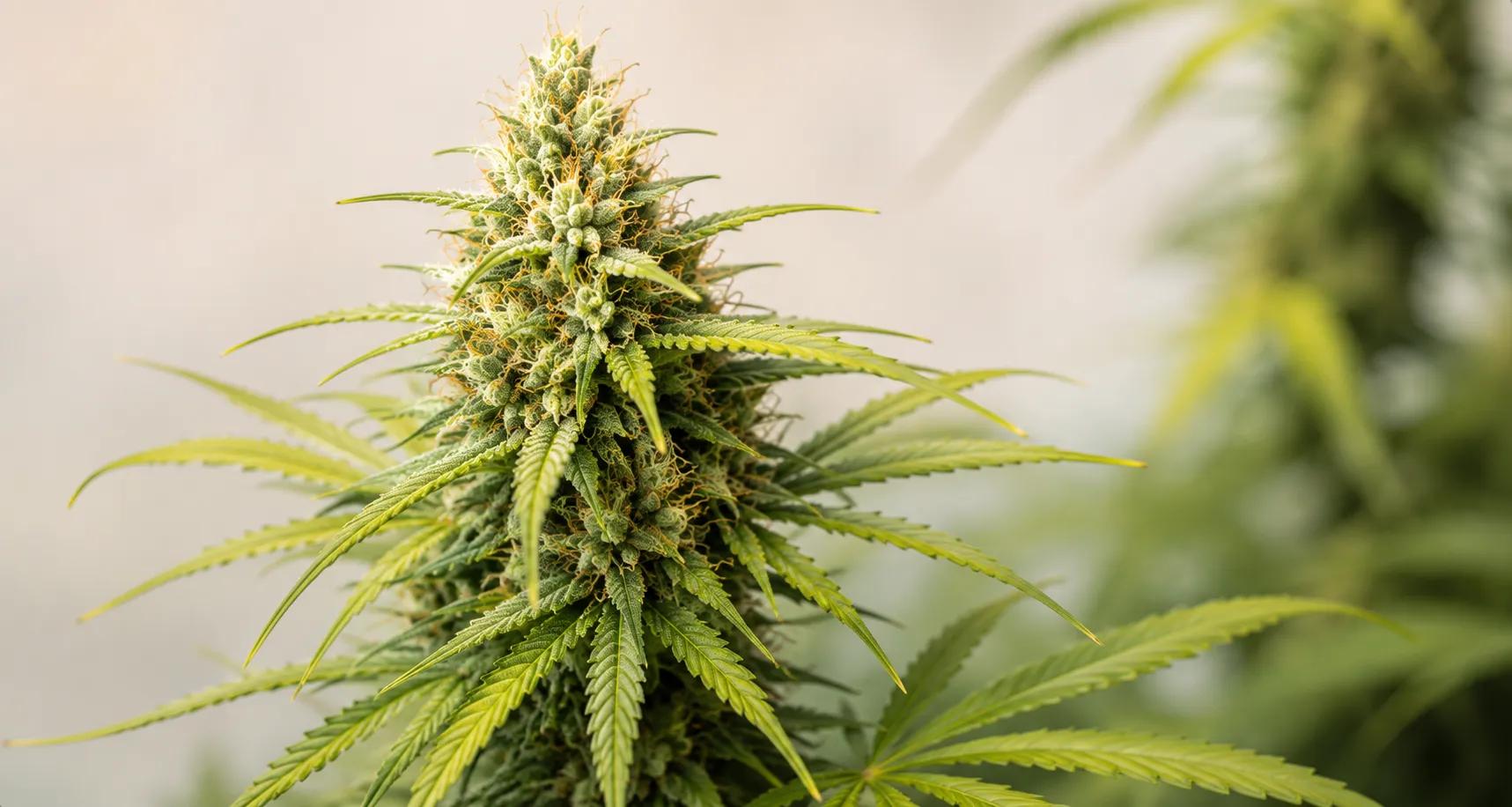
- Bud care: watch for dense, resinous buds developing. Consider using supports if the branches get very heavy and bend downwards under the weight.
Once the flowers are glistening, we move on to the harvest phase, where we will see what state the flowers need to be in so you can harvest at the ideal moment.
How to harvest Kush cannabis
Let's look at how to identify the optimal point for harvesting and how to do it:
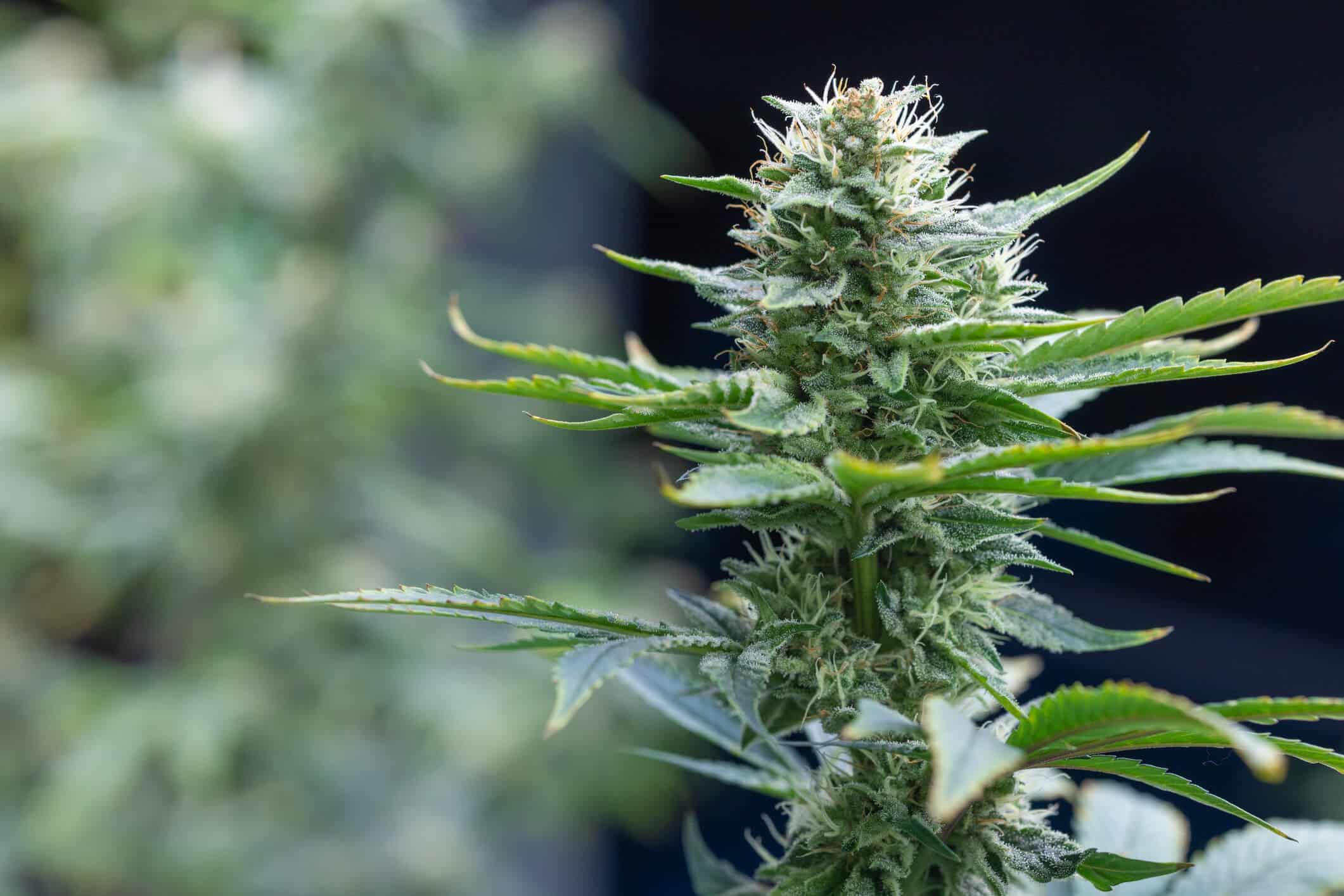
- Identifying the optimal point: what tells us the state of the flowers is the trichomes (the tiny resin glands on the flowers). These trichomes should turn from clear to milky and, in part, amber, which shows it is the optimal time to harvest.
- Harvesting process: cut down the plants, trim off the leaves and hang the branches in a dark, well-ventilated place to dry. If they are kept in a humid environment, you run the risk of fungus appearing on your flowers.
Now your Kush plant is harvested. Congratulations! But... are your buds ready to enjoy yet? There is still one more step to get the best results: curing your flowers.
Curing Kush buds
Here, there are two factors to bear in mind:
- Drying: let the buds dry slowly to preserve the terpenes and ensure better-quality buds from your plant.
- Storage: store the cured buds in airtight jars, opening them daily during the first week to air them.
Conclusion: enjoy your Kush harvest
You are now an expert in growing Kush strains of cannabis. Growing this plant can be a rewarding experience, culminating in the production of potent, aromatic, high-quality buds. With the right care, this strain is not only accessible to growers of every level, but also promises high-quality results that reflect its noble lineage.