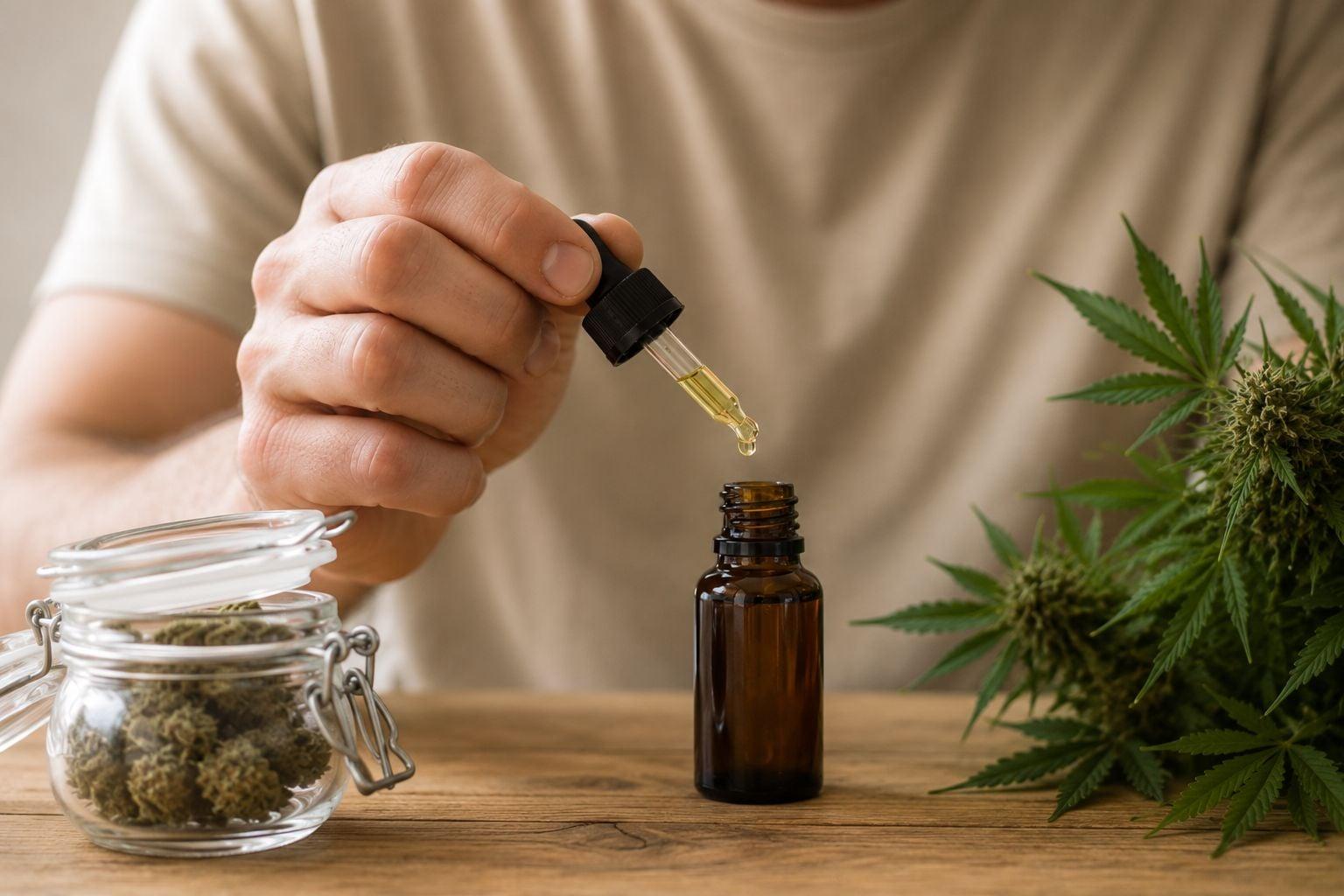
The potential of CBD for ADHD: new perspectives on treatment
Attention deficit hyperactivity disorder (ADHD) affects millions of people worldwide. Although treatments exist, they often have side effects, which is prompting the continued search for ADHD therapies. Cannabidiol (CBD), a non-psychoactive compound in cannabis, has emerged as a possible treatment option.
To mark World ADHD Day, today on the Cannactiva blog we look at current research and the potential applications of CBD to treat ADHD, based on Cannabiscientia's Principles of Clinical Cannabinology Handbook, by physician Fabio Turco and Viola Brugnatelli.
What is ADHD?
ADHD is a disorder that affects both children and adults, characterised by persistent patterns of inattention, hyperactivity and impulsivity that are more severe than is typically seen in individuals at a comparable level of development. These symptoms can significantly affect various aspects of daily life, including performance at school and at work, and social relationships.
Diagnosis of ADHD
ADHD is diagnosed through a clinical assessment that includes interviews, behavioural questionnaires and direct observation. According to the Diagnostic and Statistical Manual of Mental Disorders (DSM-5), attention deficit hyperactivity disorder is classified into three types: predominantly inattentive, hyperactive-impulsive and combined presentation.
Current treatments for ADHD
Current treatments for ADHD mainly include behavioural therapies and stimulant medications such as methylphenidate (Concerta ®, Medikinet ® and Rubifen ®) and amphetamines (Elvanse ®). However, these can have side effects such as insomnia and loss of appetite.
These medications are effective, but they have potentially significant side effects such as insomnia, appetite suppression and potential for abuse. Because of this, there is growing interest in exploring therapeutic alternatives, including the use of medical cannabis and CBD.
The potential of CBD for treating ADHD
What is CBD?
Cannabidiol (CBD) is one of the main cannabinoids found in the cannabis plant. Unlike tetrahydrocannabinol (THC), CBD has no psychoactive effects, which means it does not produce the “high” associated with cannabis use.
CBD interacts with the body's endocannabinoid system, which plays a crucial role in regulating various physiological functions, including mood, sleep and the response to pain. Because of its therapeutic properties, CBD has been studied for its potential effects on a variety of medical conditions, including ADHD.
Clinical trials and studies
Recent studies have begun to explore how CBD may help treat attention deficit hyperactivity disorder (ADHD). An observational study carried out in Brazil in 2019 on 18 children with autism (ASD) showed promising results in children with ADHD who took CBD capsules. Although the study does not focus on ADHD, it is relevant because it addresses symptoms that overlap between ASD and ADHD, such as attention deficits and behavioural problems. It found improvements in hyperactivity, inattention and impulsivity without significant side effects.
In detail: the observational study carried out in Brazil
The observational study carried out in Brazil in 2019 (4) showed promising results in 15 paediatric patients with autism and ADHD symptoms who received high-CBD capsules (THC:CBD, 1:75).
Doses were adjusted individually, starting with a mean of 2.90 mg/kg/day of CBD and adjusted between 2.30 and 3.60 mg/kg/day depending on the severity of the case. During the first 30 days, doses were adjusted intensively, followed by minor adjustments over the next 150 days. The final average dose of CBD was 4.55 mg/kg/day, ranging from 3.75 to 6.45 mg/kg/day. The average dose of THC was 0.06 mg/kg/day, ranging from 0.05 to 0.09 mg/kg/day. The regimen consisted of two daily doses, one in the morning and one in the evening. The results showed improvements in hyperactivity, inattention and impulsivity without significant side effects.
A significant study contributing to the understanding of cannabinoids in the treatment of ADHD is the EMA-C (Experimental Medicine in ADHD-Cannabinoids) trial, published in 2017. This randomised, placebo-controlled experimental pilot study investigated the effects of the oromucosal spray nabiximols (Sativex), a cannabinoid medicine (THC:CBD, 1:1), in 30 adults with ADHD.
The results showed no significant difference in the primary outcome between the active and placebo groups. However, the group receiving cannabinoid treatment generally scored better than the placebo group. Notably, nabiximols was associated with a significant improvement in hyperactivity/impulsivity and in a cognitive measure of inhibition. There were also trends towards improvement in inattention (5). Although the results were not conclusive, this study provides preliminary evidence supporting the theory that some adults with ADHD could benefit from the use of cannabinoids.
A systematic review published in 2020 found moderate evidence supporting the use of CBD compounds and CBD-based medicines (such as nabiximols, marketed as Sativex) to relieve the symptoms of ADHD and other disorders such as schizophrenia, social anxiety disorder and autism spectrum disorder. (6)
Overall, these findings highlight the need for larger, well-designed clinical trials to validate them further.
Potential benefits of CBD in reducing ADHD symptoms
- Improved concentration and attention: CBD may modulate neurotransmitters, potentially reducing symptoms of inattention and promoting greater cognitive clarity.
- Reduced hyperactivity and impulsivity: The calming effects of CBD may help to control these two core symptoms of ADHD. These effects are thought to stem from cannabidiol's influence on the serotonin and dopamine systems, which are involved in mood regulation and behavioural control.
- Improved sleep quality: CBD has been shown to improve sleep quality by addressing factors such as anxiety and hyperexcitability, which can interfere with restful sleep. Better sleep, in turn, improves mood and overall cognitive function, helping to relieve ADHD symptoms during waking hours.
- Reduced anxiety and stress: Anxiety and stress are common problems that coexist in individuals with ADHD and can significantly worsen symptoms. CBD has well-documented anxiolytic properties (7). By reducing anxiety and stress, CBD may indirectly relieve ADHD symptoms, making it easier for individuals to manage their daily activities and improving their overall quality of life.
Unlike traditional stimulant medications, CBD does not produce euphoric effects, which makes it a more attractive option for individuals who are sensitive to the side effects of conventional treatments.
Testimonials on the use of CBD for ADHD
A case study in the Cannabiscientia handbook describes how R., a Year 3 pupil with ADHD, experienced significant improvements in concentration and behaviour when using CBD chewing gum and CBD oil. R.'s mother reported better concentration and less hyperactivity while R. was using CBD. This practical experience underlines the potential of CBD as a viable alternative to traditional ADHD medications.
In R.'s case, finding the right balance involved trial and error. R. rejected the strong flavour of the concentrated oil, even when mixed with food, as is the case with most younger patients. On the other hand, R.'s mother noticed that the CBD chewing gum was particularly effective, although it required careful dose adjustments to avoid excessive sedation.
Conclusion
Research into CBD as a treatment for ADHD is still in its early stages, but preliminary studies and anecdotal evidence suggest that it could be a safer and more tolerable alternative to traditional medications. However, more research is needed to fully understand its efficacy and safety.
Before starting any CBD treatment, a diagnosis and advice from a specialist doctor are crucial. Only your doctor can advise you on dosage and monitor possible interactions between CBD and other medications.
The information in this article comes from Cannabiscientia's Principles of Clinical Cannabinology Handbook, by Viola Brugnatelli, Fabio Turco and Prohibition Partners. It is a guide to medical cannabis and cannabinoids for healthcare professionals that covers the European medical cannabis landscape in depth. The second edition is now available. Visit Cannabiscientia for more information.
Note: This is an informational article and is not intended to prevent, diagnose or treat any disease. Its content may complement, but should never replace, the diagnosis or treatment of any disease or symptom. Cannactiva products are not medicines and are intended for external use. New relevant scientific evidence may have emerged since the date of publication. Consult your doctor before using CBD. The therapeutic approach must always be personalised and depends on professional assessment.
References
- Amy F.T. Arnsten. The Emerging Neurobiology of Attention Deficit Hyperactivity Disorder: The Key Role of the Prefrontal Association Cortex. J Pediatr. 2009 May 1; 154(5): I–S43.
- Miriam Kessi, Haolin Duan, Juan Xiong, et al. Attention-deficit hyperactive disorder updates. Front Mol Neurosci. 2022; 15: 925049.
- Athanasios Koutsoklenis, Juho Honkasilta. ADHD in the DSM-5-TR: What has changed and what has not. Front Psychiatry. 2023 Jan 10:13:1064141.
- Fleury-Teixeira, P., Caixeta, F. V., Ramires da Silva, L. C., Brasil-Neto, J. P., & Malcher-Lopes, R. (2019). Effects of CBD-enriched Cannabis sativa extract on autism spectrum disorder symptoms: an observational study of 18 participants undergoing compassionate use. Frontiers in neurology, 10, 1145.
- Ruth E Cooper, Emma Williams, Seth Seegobin, et al. Cannabinoids in attention-deficit/hyperactivity disorder: A randomised-controlled trial. Eur Neuropsychopharmacol. 2017 Aug;27(8):795-808.
- Khan, R., Naveed, S., Mian, N., Fida, A., Raafey, M. A., & Aedma, K. K. (2020). The therapeutic role of Cannabidiol in mental health: a systematic review. Journal of Cannabis Research, 2(1), 1-21.
- L Cinnamon Bidwell, Renée Martin-Willett, Carillon Skrzynski, et al. Acute and Extended Anxiolytic Effects of Cannabidiol in Cannabis Flower: A Quasi-Experimental ad libitum Use Study. Cannabis Cannabinoid Res. 2024 Jan 22.