How to use CBD for period pain
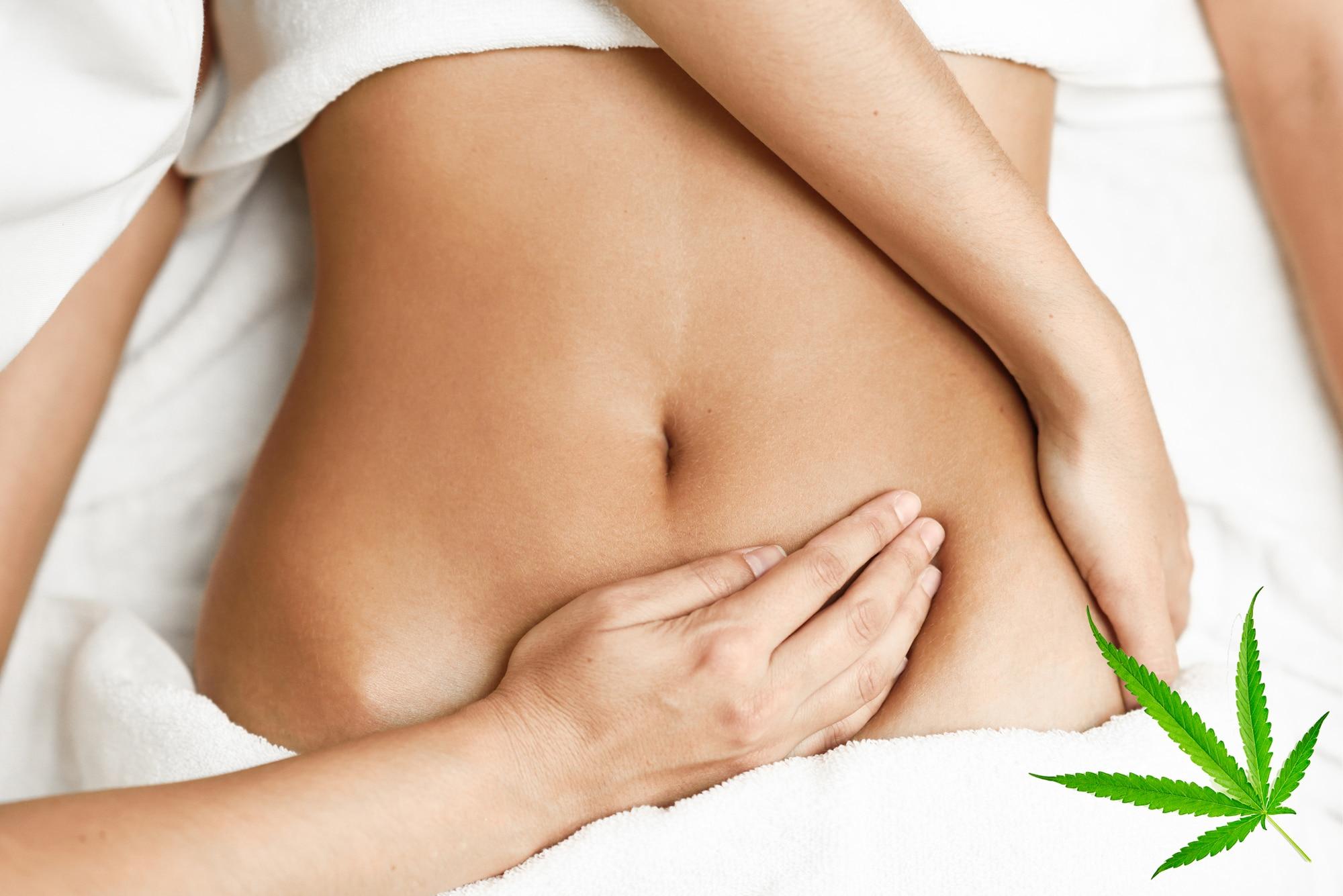
Period pain is a reality that many women face every month. Finding effective, natural ways to ease this discomfort is essential to improving their quality of life. In recent years, CBD oil and CBD creams have become popular as an option for relieving period pain.
In this Cannactiva post, we explain how you can approach the treatment of period pain through gynaecological osteopathy, pelvic floor physiotherapy and the use of CBD products. Eva Federici, an osteopath and physiotherapist specialising in women’s health and sexology, and founder of the ReActiva Sants centre, gives us a detailed explanation.
CBD in the treatment of period pain
What is period pain?
Period pain, known clinically as dysmenorrhoea, is a common disorder that affects a high percentage of Spanish women (between 20% and 60%, depending on age). In 10–15% of cases, the pain is severe (1).
The symptoms, which range from mild to severe, can vary in the type of pain (spasmodic, constant or mixed), as well as in its intensity, duration and location. They can also include abdominal pain, pelvic pain, migraines, fatigue and mood swings. Sometimes period pain can point to endometriosis (2), polycystic ovary syndrome (PCOS) (3) or other conditions that need to be detected or ruled out by a specialist doctor. However, there are also many cases in which no condition is found, and then medicine offers no solution other than hormonal treatments to suppress the menstrual cycle (4) or anti-inflammatories (5).
Gynaecological osteopathy (6), perineal physiotherapy (7), nutrition (8) and the use of CBD (9) are natural approaches that can have a significant impact on quality of life in cases of gynaecological pain, with or without an underlying condition.

As a therapist, and as a woman who suffered from period pain for many years, I firmly believe we need to become aware of what happens in each phase of the menstrual cycle, and to know our body and how it reacts to each hormonal fluctuation. This is the first step in tackling the pain. A woman’s menstrual cycle acts as an indicator of the health of both body and mind (10): if the pain keeps coming back every month, always in the same phase of the cycle, it means something is not working properly.
What is CBD?
Cannabidiol (CBD) is a non-psychoactive compound found in the cannabis plant. Although cannabis is best known for its psychoactive component (THC), CBD is different in this respect and does not produce the typical “high” or altered mental perception associated with cannabis use.
CBD is being researched for its potential benefits in pain relief. Given its analgesic and anti-inflammatory properties, CBD may be a promising natural option to help women reduce the pain they experience during the menstrual cycle.
Treating period pain with CBD
How can you get rid of period pain?
Period pain can be treated from several angles. Today it is common for women to turn to painkillers such as ibuprofen, Enantyum or naproxen, or to hormonal therapies such as the contraceptive pill and progestogen implants under the skin, which stop ovulation and lead to a pain-free “false period”. However, there are other treatment options that are just as viable and effective, such as:
- Manual therapy: gynaecological osteopathy and perineal physiotherapy.
- Body awareness: meditation and breathing practices.
- Measures such as anti-inflammatory CBD cream, CBD oil, heat or cold, and stretching.
- Exercise adapted to each phase of the menstrual cycle.
- Diet therapy: food as our first form of medicine.
These are natural tools that act on different systems of the body. Osteopathy and nutrition, in particular, take into account a woman’s digestive inflammation, her nervous system and her levels of stress and rest, and her vascular, osteoarticular and myofascial systems (6).
Below I describe some of the treatments we use to tackle period pain at our centre.
Treating period pain with osteopathy and physiotherapy
Osteopathy starts from the basic premise that the body has the ability to heal itself. Manual techniques such as massage are used to support this natural healing process (11). The aim is to maintain and restore the balance of organs such as the uterus, ovaries and bowel, and of the glands that regulate menstrual and endometrial physiology.
With osteopathy, we address possible structural problems by restoring mobility to restricted areas, and functional problems by improving blood flow, which may be the cause of the pain (12). Only once we have identified whether the problem is mechanical, hormonal, metabolic, vascular or mixed in origin can we plan successful treatment.
In some cases pelvic floor physiotherapy is needed, especially when the pain has led to vaginal and/or abdominal muscle contractures (13).
How period pain is treated depends on the type of pain and on each individual case. We work as a team with various professionals to get the best result. There are also recommendations that complement treatment, for example:
- In cases of spasmodic pain, which is intense and almost rhythmic, it is important to relax the uterine muscles. Applying heat to the abdomen can help reduce period pain. You can use heat pads, cloth bags filled with warmed salt or dried pulses, or towels soaked in hot herbal tea to provide warmth.
- When the pain is constant, it needs to be tackled at the circulatory level. Deep, slow breathing, gentle stretches for the glutes and Kegel exercises are recommended to stimulate circulation. Another useful tip is a vascular massage in the shower: use fine salt as a scrub on the buttocks, the sacrum and the fascia on the outside of the thighs, then finish with cold water on those areas.
In both cases, CBD is suggested to reduce local inflammation, using CBD lubricants, CBD creams for the genital area or CBD oil applied to the area. These treatments can be complemented with CBD oil drops.
Massage with CBD creams for period pain
CBD creams are used in physiotherapy to treat various kinds of pain. These creams are specially formulated and combine cannabidiol with other analgesic and anti-inflammatory plants, such as arnica, St John’s wort, devil’s claw and mimosa. They usually have a strong, distinctive aroma, are quickly absorbed and can be massaged in.
Personally, I recommend massaging the abdomen as well as the lower back and pelvis. However, there are also many cases where this self-massage can be extremely effective on the neck and head (14). This kind of massage can also influence the pituitary and thyroid glands, as well as the vagus nerve, which runs from the skull to the uterus and regulates its function. The properties of CBD, combined with essential oils, have a double effect: through the skin into the circulation, and on the nervous system through aromatherapy (15).
How to take CBD oil for period pain
Looking at the body more broadly, CBD oil drops can reduce inflammation in the body, which can make a significant contribution to relieving period pain. CBD oil is increasingly recommended as a solution for period pain, especially from ovulation through to the first days of the period.
Where the inflammation is caused by digestive problems, it is essential to address diet alongside a specific CBD regimen in drop form (16).
CBD dosage for period pain
As for what dose of CBD to take for period pain, there is no amount that works for everyone, as the response to CBD varies from person to person. And although many studies support the anti-inflammatory and analgesic properties of CBD, there is not enough data on the use of these products specifically for period pain. Empirical doses have been reported by women using CBD for gynaecological pain, ranging from 1 mg to 2,000 mg of CBD a day, taken orally or inhaled (9). This wide range is because CBD affects each person differently, depending on factors such as metabolism, weight, history of cannabinoid use and other individual characteristics. At Cannactiva, we can tell you that some women have reported using 3 to 5 drops (15–25 mg of CBD) of 10% CBD oil for period pain, 3 times a day. Women with severe pain use the same dosage but with 20% CBD oil, equivalent to 30–50 mg of CBD.
In general, it is suggested that you start with very low doses and wait a few days to assess the effects of CBD. It is also crucial to consider possible interactions between CBD and medications, so it is advisable to consult a professional before using CBD products.
In conclusion…
Treating period pain goes deeper than simply applying a cream, having a massage or following general dietary guidelines. From my professional career and personal experience, it is crucial to bear in mind that period pain has biological, psycho-emotional and social dimensions; this complexity should never be overlooked. That is why I firmly believe in the importance of understanding the physiology of the menstrual cycle, analysing each kind of pain in each woman, and taking a multidisciplinary approach that goes beyond the purely medical.
The synergy between gynaecological osteopathy, nutrition, integrative gynaecology and sexology proves to be the key factor in a truly holistic approach from a biopsychosocial perspective.
If you are thinking of using CBD to relieve period pain, my advice is to seek out a team of specialists who can carry out a specific assessment of your type of pain. They will give you personalised advice and the tools you need to approach your treatment realistically and successfully. If you are in Barcelona, we would be delighted to see you at the ReActiva Sants centre.
Consult a healthcare professional for more information and personalised advice on treating period pain before using CBD. Cannactiva products are not medicines and are intended for external use. Please remember that this is an informative article and is not intended to prevent, diagnose or treat any disease or symptom. Its content can complement, but never replace, the diagnosis or treatment of any disease or symptom.
Book recommendations from Andrea at Cannactiva
Andrea Rezes has been part of the Cannactiva family for many years and is one of the people in charge of customer service and the training sessions we run. When she read this post, she told us about some books she would recommend to every woman, and we are sharing them here in case they appeal to anyone:

Pariremos con placer (We will give birth with pleasure), by Casilda Rodrigáñez
It provides historical and anthropological information that offers a perspective on the liberation that can come from understanding our uterus from both a physiological and an emotional point of view. Rodrigáñez explores in depth how the pain experienced during both the menstrual cycle and childbirth is a form of somatisation in the body, rather than something to be considered normal, even when the pain is mild. Throughout the book, it becomes clear that our body has been ingeniously designed not only to ease pain during childbirth, but also to make it possible to experience orgasms during it. The book also challenges conventional thinking by suggesting that the true centre of female pleasure lies in the uterus rather than in the clitoris or the G-spot. In essence, it invites us to rethink our understanding of female anatomy and offers a more liberating perspective on the body and its natural processes.

The Chalice and the Blade, by Riane Eisler
Another highly recommended book, and one that marked a turning point in the way I understand our world and society. It tells a new story of our cultural origins, in which conflict and the war between the sexes are ordained neither by God nor by biology, and shows that a better future is possible, firmly rooted in what happened in our past. Eisler presents a conceptual framework for studying social systems, paying particular attention to how a society constructs roles and relationships between the feminine and the masculine. Drawing on archaeological, anthropological and historical evidence, the author argues that humanity, in its origins, was not centred on struggle and competition, but rather on inclusion and participation.
References
- Andersch, B., & Milsom, I. (1982). An epidemiologic study of young women with dysmenorrhea. American Journal of Obstetrics & Gynecology, 144, 655-660.
- Al Adib, M. (2018). Hablemos de vaginas (Let’s talk about vaginas). Madrid: Anaya (Oberon).
- Mendelson, Z. (2020). Pussypedia. Paris: Larousse.
- Martínez, M. Progestogen-only contraception: non-contraceptive benefits. A review of the data, 125-134.
- Brooks, P. (1998). Use and benefits of nonsteroidal anti-inflammatory drugs. American Journal of Medicine, 104, 9-13.
- ReActiva Sants. (2019). Period pain is not normal: how osteopathy can help you.
- Walker, C. (2015). Fisioterapia en obstetricia y uroginecología (Physiotherapy in obstetrics and urogynaecology). Madrid: Elsevier.
- Ciebiera, M., Esfandyari, S., Siblini, H., Prince, L., Elkafas, H., Wojtyła, C., Ali, M. (2021). Nutrition in Gynecological Diseases: Current Perspectives. Nutrients, 13(4), 1178. doi:10.3390/nu13041178.
- Cannactiva blog. CBD and endometriosis.
- Pope, A., Wurlitzer, S. H. (2018). El poder indómito (Wild Power). Madrid: Kraicon.
- ReActiva Sants. History of osteopathy.
- ReActiva Sants. Gynaecological osteopathy.
- Eva Federici. Neck self-massage guide on YouTube.
- Eva Federici. Head self-treatment guide on YouTube.
- Eva Federici and Carolina Martignetti. Healthy eating and the right diet for period pain (dysmenorrhoea) on YouTube.