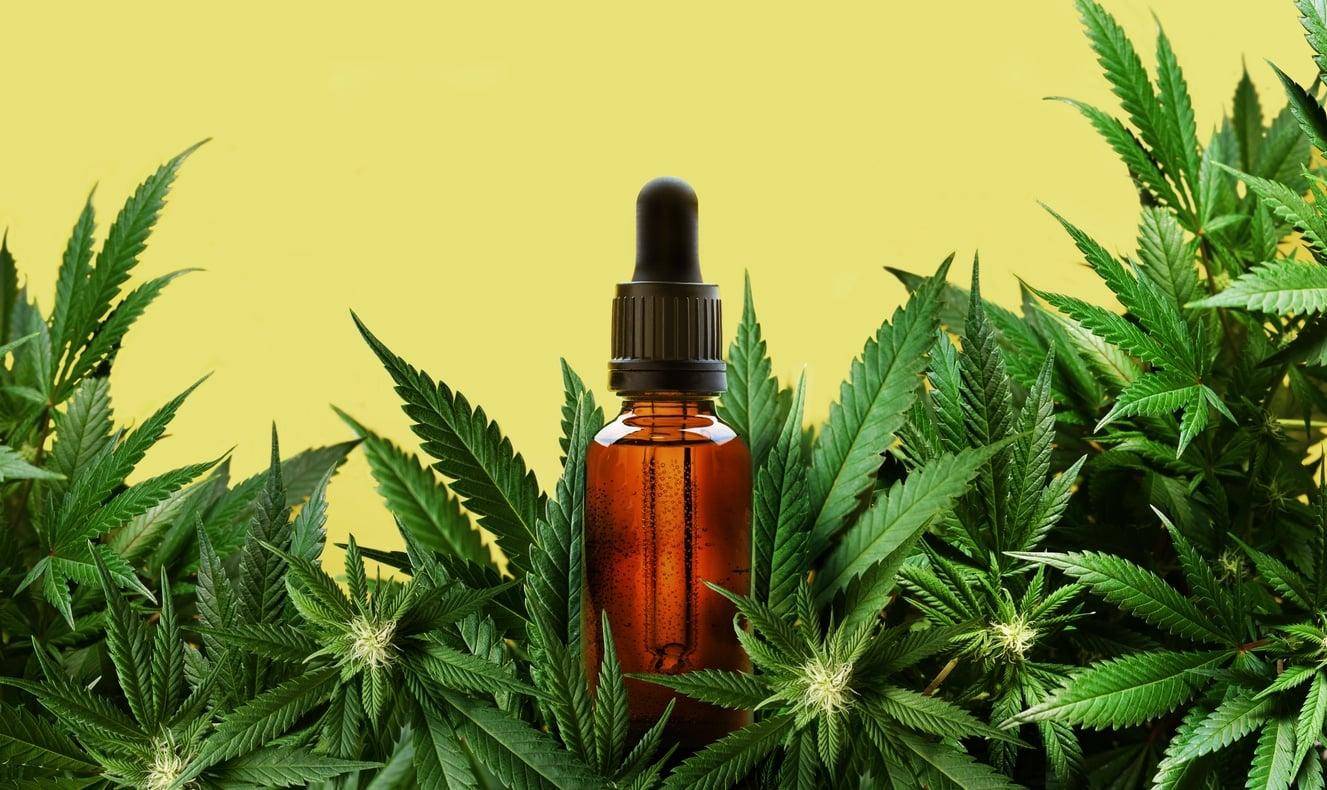
In the growing world of wellness and natural products, you'll often find two seemingly similar products in shops and health food stores: CBD oil and hemp oil. Although they are often confused, the truth is that they are very different in composition, benefits and uses.
In this article we explain the differences between hemp oil and CBD oil, how each one is obtained, what it's used for and which is best suited to what you're looking for.
What is CBD oil?
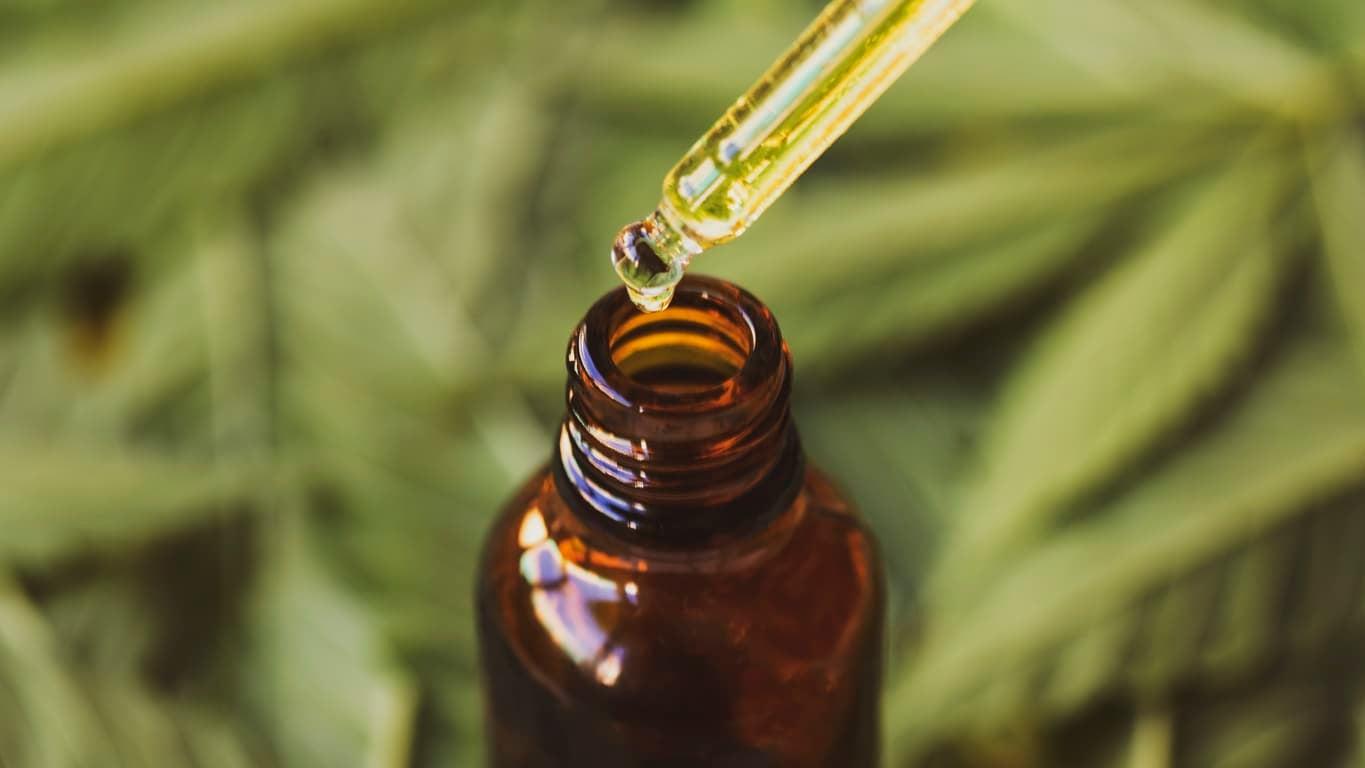
CBD (cannabidiol) oil is obtained from the CBD flower of specific strains of the industrial hemp plant that are high in CBD and contain less than 0.3% THC (in some countries, such as the UK, hemp flower is controlled even with low THC). The plant's flowers undergo a supercritical CO2 extraction process, which extracts the plant's cannabinoids, such as CBD and others. This type of oil therefore contains various cannabinoids, including CBD, which interact with the human body's endocannabinoid system and have various effects on the body.
CBD oil has no psychoactive effects and doesn't get you “high”, but it does offer relaxing and calming benefits. It is one of the most researched ingredients in cannabis in recent years.
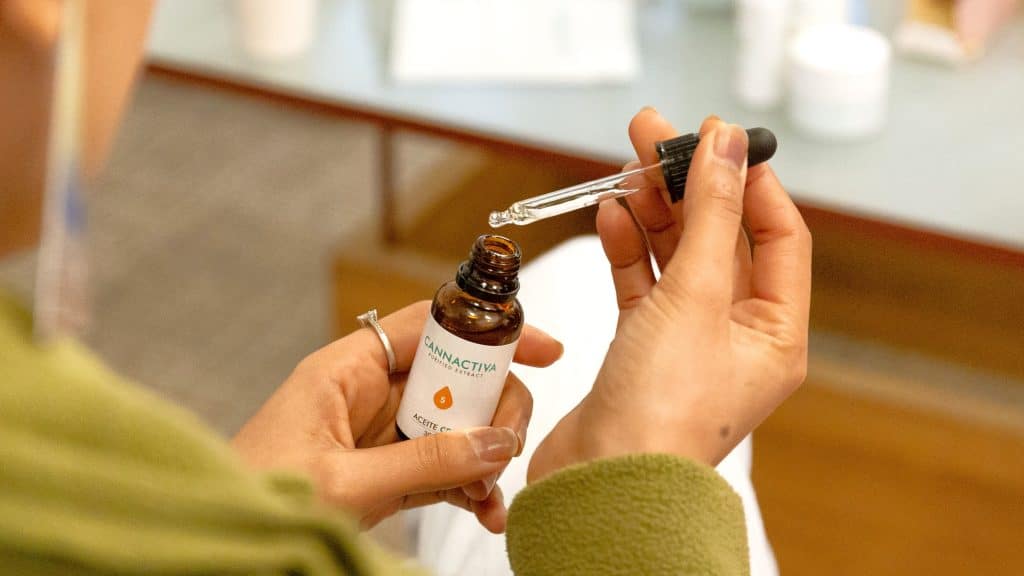
How is CBD oil extracted?
The main method is supercritical CO₂ extraction, a process that safely isolates CBD while preserving other beneficial compounds such as terpenes and flavonoids. It is then mixed with a carrier oil (usually MCT oil, olive oil or hemp oil).
Types of CBD oil
- Full spectrum CBD: contains mainly CBD, but also other minor cannabinoids (CBG, CBN, etc.), terpenes and a residual amount of THC (legal, less than 0.3%).
- Broad spectrum CBD: the same as above, but without THC.
- CBD isolate: 99% pure CBD, with no other plant compounds.
What is hemp oil?
Hemp oil, also called hemp seed oil, is obtained by cold-pressing hemp seeds, much like other edible seed oils, such as sunflower or linseed oil. Unlike CBD oil, hemp oil does not contain cannabinoids such as CBD or THC, as these compounds are found in the plant's flowers, not in its seeds.
Hemp oil is a 100% legal and natural product, widely used in healthy eating and natural skincare thanks to its high content of omega-3 and omega-6 fatty acids, vitamin E and minerals.

Nutritional properties of hemp oil
- Rich in healthy fats (ideal ratio of omega-3 to omega-6)
- High in antioxidants
- Provides cardiovascular and anti-inflammatory benefits
Differences between CBD oil and hemp oil
Although both come from hemp, their characteristics and benefits are completely different. Here's a clear comparison:
Feature | CBD oil | Hemp oil |
|---|---|---|
Origin | Hemp flowers and leaves | Hemp seeds |
CBD and other cannabinoid content | High (CBD, may contain other cannabinoids) | None or almost none |
Effects on the body | Relaxing, calming, stress-modulating | Nourishing, antioxidant, anti-inflammatory |
Main uses | Wellbeing, rest, pain, anxiety | Food, skincare, cosmetics |
Extraction | Supercritical CO₂ | Cold-pressed |
Legality | Legal if <0.3% THC (European Union) | Legal |
What is CBD oil used for?
CBD oil is used for its potential therapeutic properties. Although we can't talk about medicinal properties without scientific backing, a growing number of studies are investigating its positive effects. Its most common uses include:
- Promoting relaxation without psychoactive effects
- Natural support for night-time rest
- Helping to reduce stress or mild anxiety
- Natural relief for muscle or joint discomfort
What is hemp oil used for?
Hemp seed oil stands out for its nutritional profile. It doesn't act on the endocannabinoid system, but it is an excellent food supplement and skincare ingredient. It is commonly used for:
- Keeping skin hydrated
- Dressing food healthily (always use it cold, as the oil doesn't hold up well to heat)
- Adding omega-3 to your diet, although there are better sources, such as oily fish or walnuts
- Improving cardiovascular health (thanks to its omega-3), although oily fish or walnuts are better options.
How can you tell if you're buying CBD oil or hemp oil?
One of the most common mistakes consumers make is confusing these two products. Some brands label a product as “hemp oil” when it is actually CBD, or vice versa.
Always check the product label:
- If it lists “cannabidiol” or “CBD” in the ingredients, it's CBD oil.
- If it only mentions “hemp seed oil” or “Cannabis sativa seed oil”, it doesn't contain CBD.
- Some products may contain hemp seed oil with added CBD-rich extract.
- Check the CBD concentration in milligrams.
- Check whether there are certificates of analysis (COA) for the batch.
Which is better: CBD oil or hemp oil?
Neither is better than the other: it depends on what you need it for.
- If you're looking for benefits for emotional balance, rest or discomfort, choose CBD oil.
- If what you want is a vegetable oil for dressing food that's rich in omega-3, go for hemp oil.
- Both have cosmetic properties.
In many cases, they can complement each other. Some CBD oils use hemp seed oil as a carrier base, combining the benefits of both.
Conclusion
Although they come from the same plant, CBD oil and hemp oil have very different functions. One acts on the endocannabinoid system and the other is a plant-based source of nutrients. Choosing the right one depends on your goals.
We hope this guide has helped you better understand the difference between CBD oil and hemp oil. Above all, we hope it helps you choose the product you really need, with clear and rigorous information.